Wildlife intrusions rarely happen by accident. Animals are constantly searching for food, shelter, and safe places to nest, and your home can provide all three if there are even small vulnerabilities. Many homeowners in South Carolina and North Carolina are surprised to learn just how easily animals can gain access to their property.
At Palmetto Wildlife Extractors, one of the most common questions we hear is how animals are getting inside in the first place. The answer is usually a combination of small entry points, structural gaps, and overlooked maintenance issues.
Wild animals do not need large openings to get inside. In many cases, a gap as small as a few inches is enough.
Some of the most common entry points include:
• Roof vents that are not properly secured
• Damaged or rotting soffits and fascia boards
• Gaps along rooflines or shingles
• Openings around chimneys without caps
• Crawl space vents or foundation gaps
• Utility line entry points
Over time, these small vulnerabilities can turn into full access points as animals chew, claw, or push their way inside.
Attics are one of the most common areas for wildlife infestations. They provide warmth, shelter, and a quiet place away from human activity.
Once inside, animals often:
• Tear apart insulation for nesting
• Chew on electrical wiring
• Leave droppings and urine
• Create strong odors that spread through the home
Because attics are not frequently inspected, infestations can go unnoticed until significant damage has already occurred.
Many animals are highly determined once they find a suitable entry point. Raccoons can pull apart roofing materials, squirrels can chew through wood and plastic, and bats can slip through extremely small gaps.
If one animal finds a way in, others often follow.
That is why simply removing the animal without addressing how it got in will almost always lead to repeat problems.
Even if you have not seen an animal, there are warning signs that wildlife may be entering your home:
• Scratching or movement sounds in walls or ceilings
• Visible damage near the roof or vents
• Droppings in attic or crawl space areas
• Grease marks or tracks near entry points
• Unusual odors inside the home
Catching these signs early can prevent larger infestations and costly repairs.
Many homeowners attempt to seal holes or set traps without fully understanding the situation. This can lead to:
• Trapping animals inside the structure
• Missing hidden entry points
• Incomplete removal of nesting animals
• Increased damage from stressed wildlife
Effective wildlife removal requires a full inspection and a plan that addresses both removal and prevention.
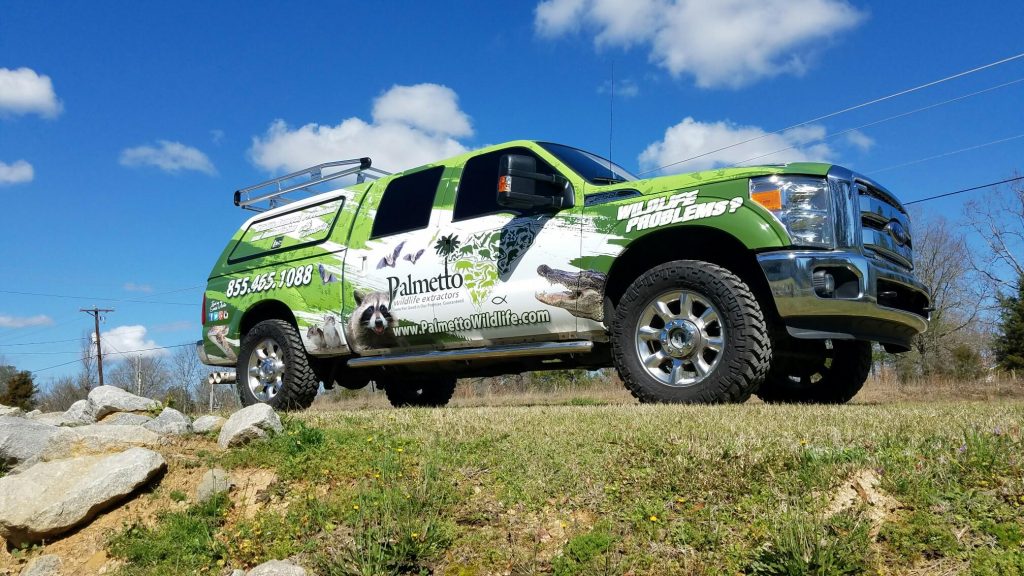
Palmetto Wildlife Extractors provides complete wildlife removal solutions across South Carolina and North Carolina. The goal is not just to remove the animal but to make sure it cannot return.
Services include:
• Thorough property inspections
• Humane wildlife removal
• Identification and sealing of all entry points
• Recommendations to prevent future issues
Palmetto Wildlife Extractors does not deal with domesticated animals or provide rescue services. Their work is focused entirely on nuisance wildlife removal and prevention.
Preventing wildlife intrusion starts with regular maintenance and awareness. Addressing small issues early can save thousands in repairs and reduce the risk of repeat infestations.
If you suspect wildlife may be entering your home, taking action quickly is key.