Why Wildlife Problems Increase in Early Spring Across South Carolina and North Carolina

Posted February 26, 2026
by Palmetto Wildlife Extractors

As temperatures begin to warm up in March, wildlife activity increases significantly across South Carolina and North Carolina. Early spring is one of the busiest times of year for nuisance animal issues because many species enter breeding season and begin searching for safe places to nest.

Unfortunately, attics, crawl spaces, sheds, and wall voids often become prime real estate for wildlife looking to raise their young.

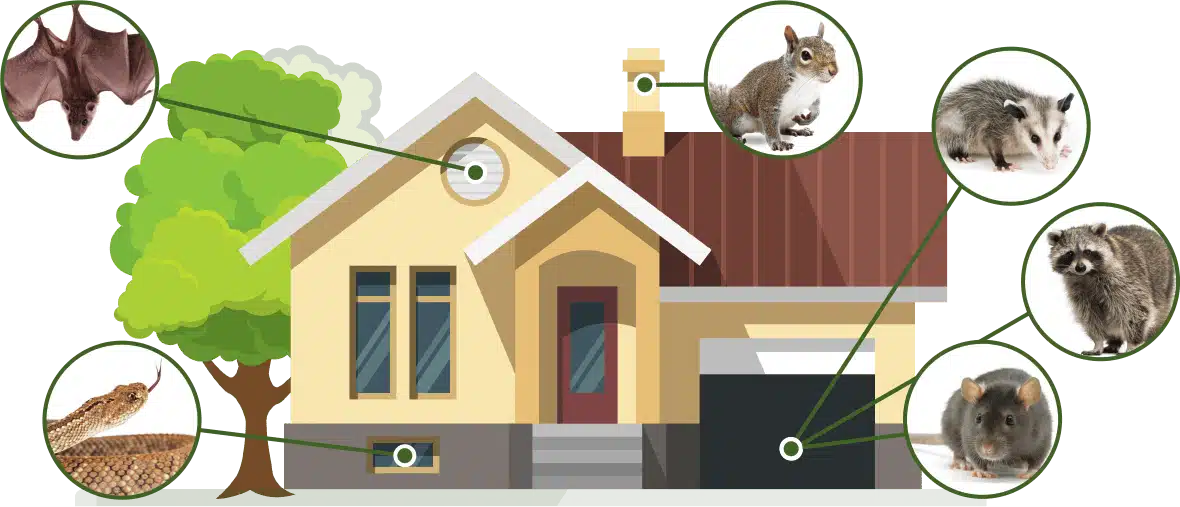
At Palmetto Wildlife Extractors, early spring consistently brings a rise in calls for raccoons, squirrels, bats, and other nuisance wildlife throughout SC and NC.

Why Early Spring Is Prime Nesting Season

As daylight increases and temperatures stabilize, wildlife shifts into reproduction mode. Female animals search for secure, warm, and elevated areas to give birth and protect their young.

Homes and commercial buildings offer:

• Insulated attic spaces
• Protection from predators
• Easy access through rooflines and vents
• Quiet areas for nesting

Once animals establish a den site, they become more territorial and harder to remove without professional help.

Common Spring Wildlife Problems in SC and NC

Early spring brings specific challenges across the region.

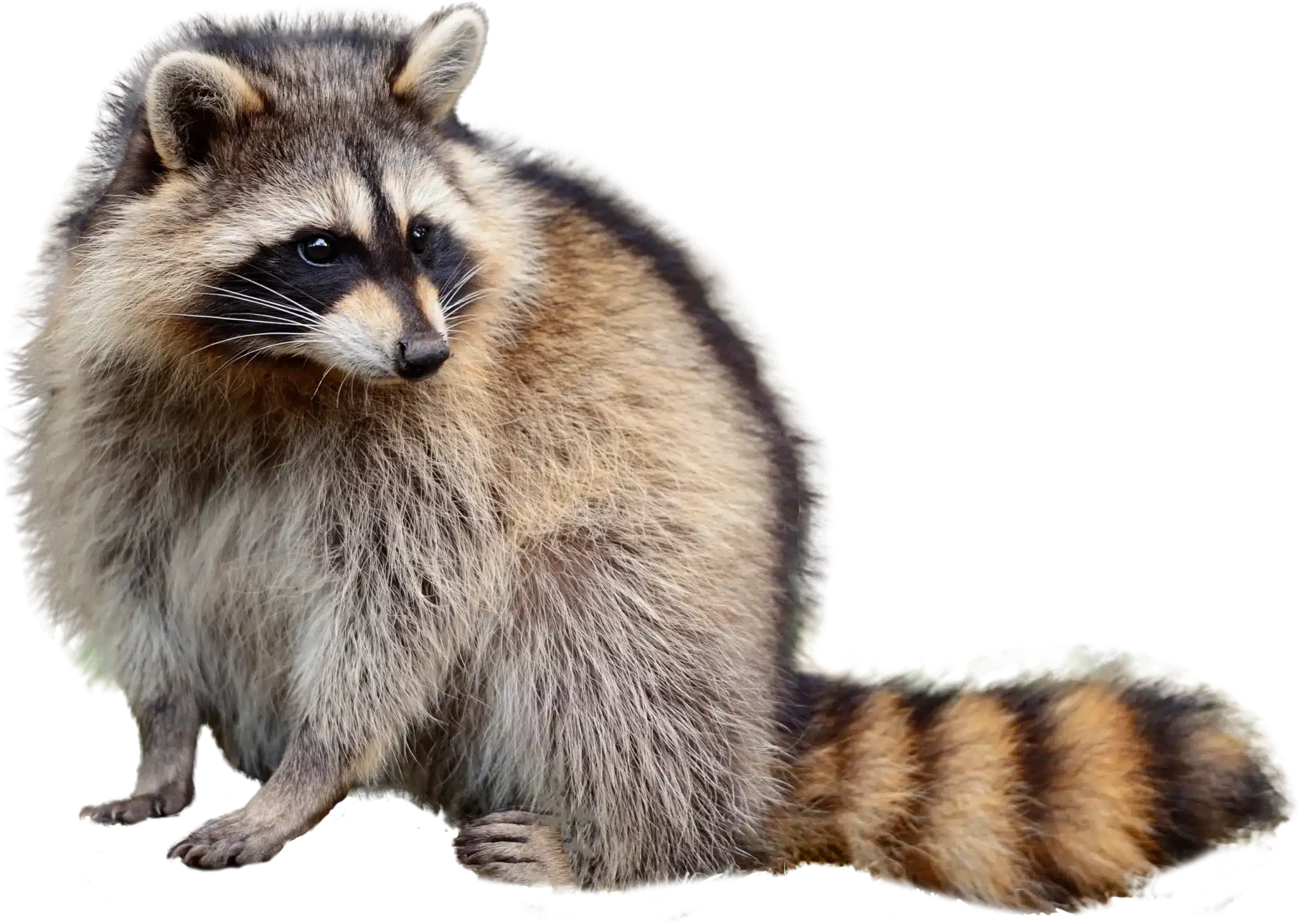
Raccoons in Attics

Raccoons frequently use attics as maternity dens. They are strong enough to tear through soffits and roof vents. Once inside, they can damage insulation, ductwork, and wiring while leaving behind hazardous waste.

Squirrels Chewing Entry Points

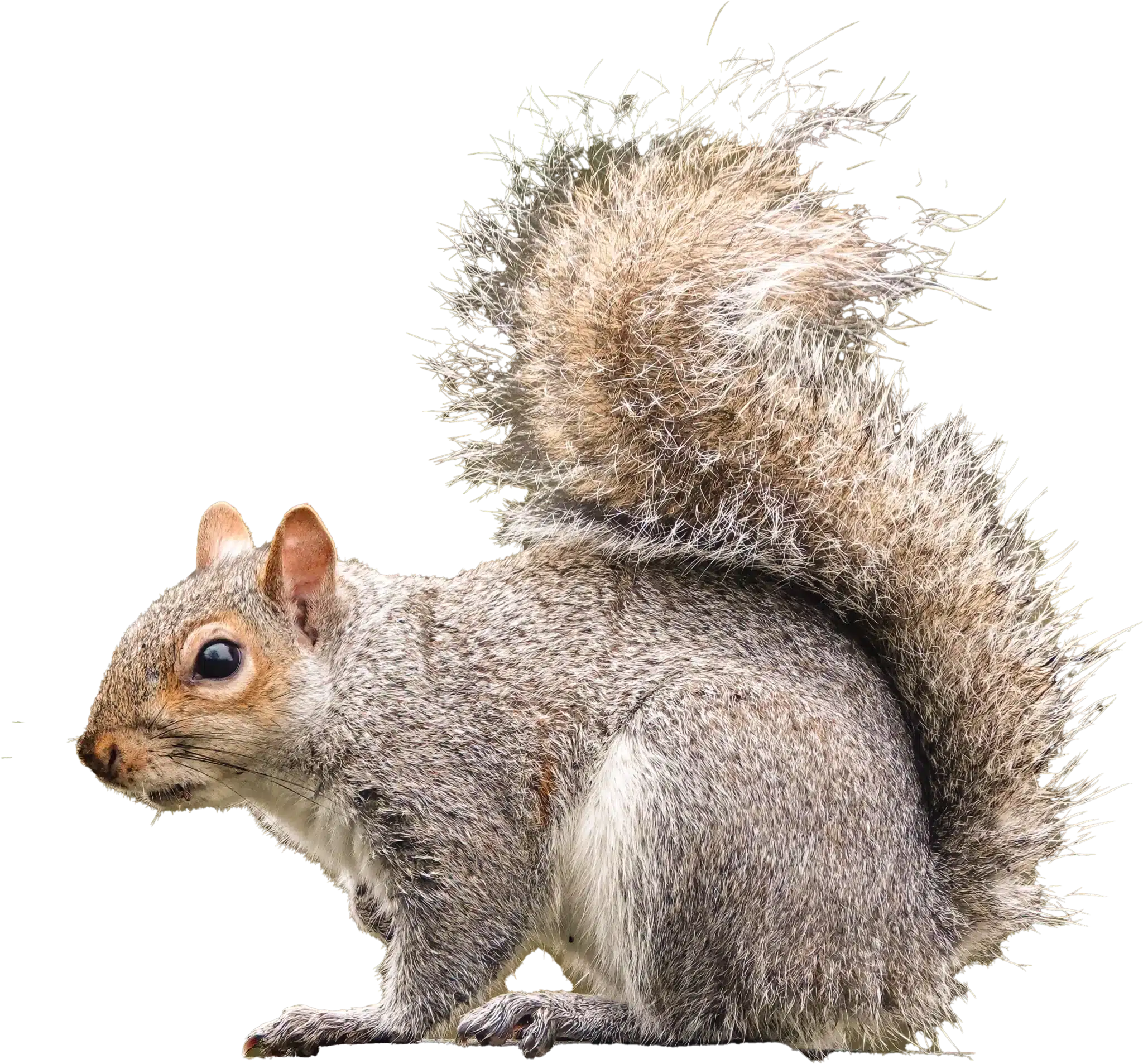
Squirrels are highly active in spring. They chew through fascia boards and roof edges to create nesting sites. Their gnawing behavior can create fire risks if electrical wiring is involved.

Bats Forming Colonies

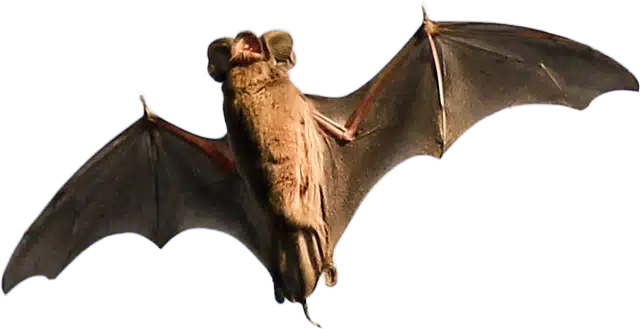
Spring is when bat colonies begin forming in attics and other high spaces. Over time, guano accumulation can create strong odors and contamination concerns.

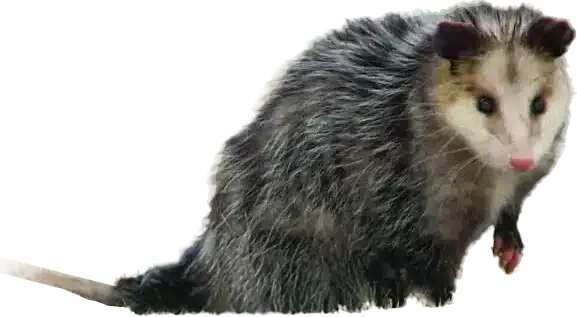
Opossums and Other Small Mammals

Crawl spaces and under-deck areas are common nesting locations during early spring as animals prepare to raise young.

Signs You May Have a Wildlife Nesting Issue

Because spring wildlife activity often centers around raising young, you may notice:

• Persistent scratching or movement in ceilings
• Vocal sounds such as chirping or whining
• Visible damage along rooflines
• Droppings in attics or crawl spaces
• Strong or unusual odors

If babies are present, removal becomes more complex and requires humane extraction methods to ensure the entire family is safely removed.

The Risks of Waiting Too Long

Ignoring early spring wildlife activity can lead to:

Structural damage
Contaminated insulation
Increased odor issues
Expanded entry points
Longer removal timelines

Once young animals grow and begin moving around, damage often spreads throughout the structure.

Professional Wildlife Removal in SC and NC

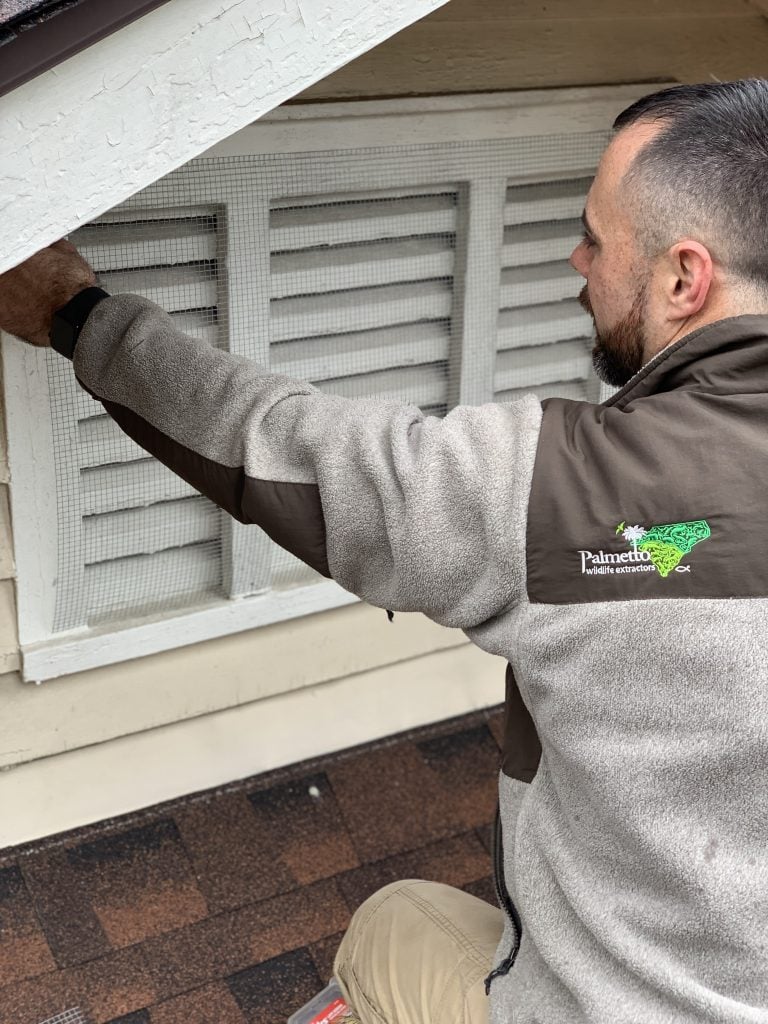
Palmetto Wildlife Extractors specializes in humane wildlife removal and prevention solutions across South Carolina and North Carolina. Every property is inspected thoroughly to identify entry points, nesting areas, and vulnerabilities.

Services include:

• Safe and humane wildlife extraction
• Identification and sealing of entry points
• Damage assessment
• Prevention strategies to reduce future infestations

Palmetto Wildlife Extractors does not deal with domesticated animals or provide rescue services. Their focus is strictly on professional nuisance wildlife removal.

Get Ahead of Spring Wildlife Activity

March is the ideal time to address potential entry points before wildlife establishes nests. Proactive inspections and exclusion work can prevent costly repairs and long-term issues.

If you suspect wildlife activity in your attic, crawl space, or property, do not wait.

Call 855-465-1088 today to schedule an inspection with Palmetto Wildlife Extractors and protect your property across South Carolina and North Carolina.

See Some Of Our Other Posts

Palmetto Wildlife Extractors offers prompt, humane, and effective solutions to remove and prevent a variety of wildlife from returning.

Copyright © 2026 Palmetto Wildlife Extractors. All Rights Reserved.